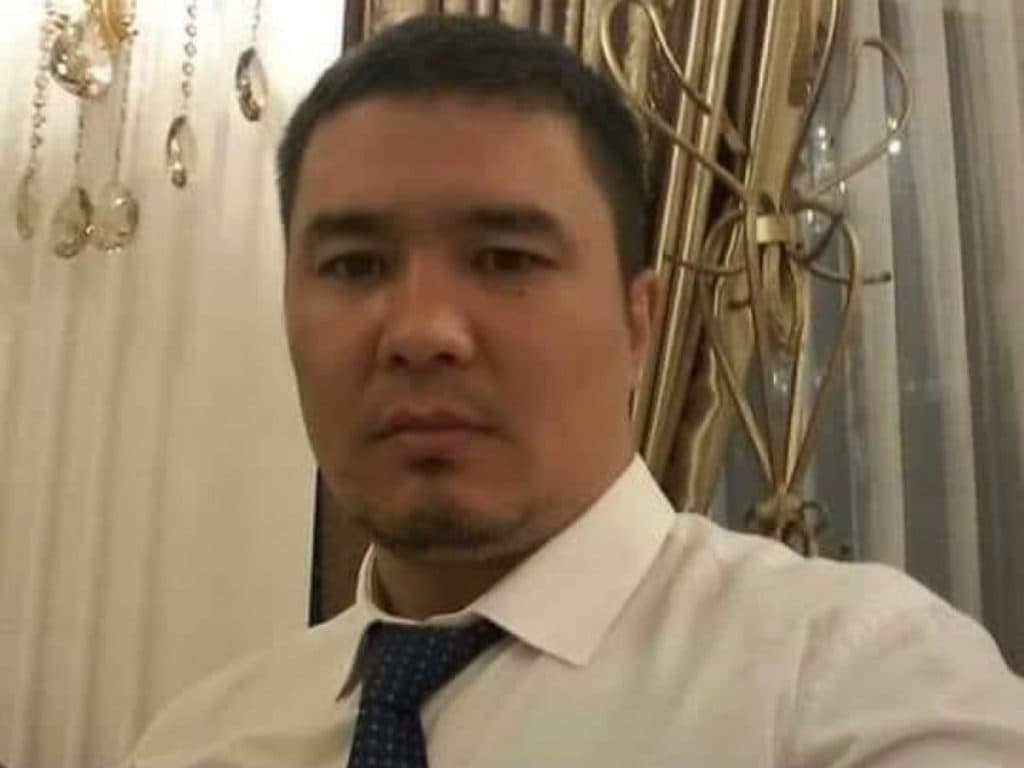
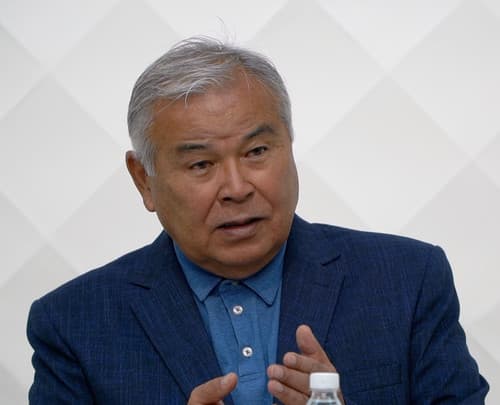
Azimzhan Askarov
An ethnic Uzbek human rights defender who documented police violence. He was arrested on trumped-up charges and sentenced to life in prison despite UN protests.
Kyrgyzstan
Кыргызстандагы саясий туткундар
50 documented cases
Once considered the most pluralistic state in Central Asia, Kyrgyzstan has experienced sharp democratic backsliding since the 2020 political crisis brought President Sadyr Japarov to power. The space for independent media, civil society, and political opposition has narrowed through criminal prosecutions, raids, and restrictive legislation — including a 2024 'foreign representatives' law modeled on Russia's foreign-agents framework.
Documented cases center on two clusters: the 'Kempir-Abad' defendants — politicians, activists, and journalists detained in October 2022 after opposing a reservoir border deal with Uzbekistan — and the prosecution of independent journalists, including the detention of staff from the investigative outlets Temirov Live and Kloop. Political Prisoner Watch aggregates reporting from RFE/RL's Azattyk service, Kloop, and international rights monitors.
Primary sources: RFE/RL — Radio Azattyk, Kloop, Committee to Protect Journalists, Human Rights Watch
Last updated 2026
Kyrgyzstan long stood out in Central Asia for competitive elections and a vibrant independent press. Following the contested October 2020 parliamentary vote and the rapid rise of Sadyr Japarov, constitutional changes concentrated power in the presidency, and authorities increasingly turned to the criminal law against critics. A 'foreign representatives' law adopted in 2024 placed new burdens on foreign-funded NGOs, and amendments expanded the reach of charges such as 'calls to mass disorder.'
In October 2022, authorities detained more than twenty members of a committee opposing the transfer of the Kempir-Abad (Andijan) reservoir to Uzbekistan, charging them in connection with alleged plans for mass unrest. The defendants — among them politicians, activists, and journalists — became the country's most prominent group of political detainees.
Independent journalism has been a second front. The investigative outlet Temirov Live, founded by Bolot Temirov, saw multiple staff detained, and the well-known investigative organization Kloop faced liquidation proceedings and blocking. These cases, together with periodic pressure on RFE/RL's Azattyk service, define much of the documented caseload.
Coverage is aggregated from RFE/RL's Kyrgyz service (Azattyk), Kloop, the Committee to Protect Journalists, and Human Rights Watch, then translated and standardized into the shared case taxonomy. Each record links to its source; Political Prisoner Watch aggregates public reporting rather than producing primary documentation.
30 of 50 cases are not yet plotted on the map, typically because the public source did not record a precise location.
Figures reflect documented cases in this database · a lower bound, not an official total